
As an Amazon Associate I earn from qualifying purchases.
Updated November 2026
A padlock for trailer hitch is one of the simplest ways to stop a thief from driving off with your trailer. This guide walks you through what to look for in a lock, how to fit it correctly, and where people commonly go wrong. By the end, you will know how to pick a lock that matches your hitch and how to secure it so it actually does its job.
Why a Hitch Lock Matters
A trailer that is hooked to a tow vehicle can be lifted off in minutes if the coupler is not secured. Thieves often target unattended trailers in parking lots, storage yards, and driveways. A hitch lock blocks the coupler from sliding over the ball, which is the main point of attack. It does not make a trailer theft-proof, but it raises the effort required and makes an opportunistic thief move on. Pair it with other measures such as wheel locks and a visible tracking device for better protection.
Shopping for one? See our guide: 6 Best Trailer Hitch Cargo Racks: Top 6 Picks Compared for 2026.
Choosing the Right Lock
Start by measuring the shackle diameter of your lock and the size of the hitch pin hole or coupler opening it has to pass through. Many manufacturers specify a maximum shackle diameter for their couplers, so check your trailer’s owner’s manual. Next, decide between a standard padlock and a purpose-built coupler lock. Coupler locks cover the entire ball and lock in place, which usually gives better protection than a padlock threaded through a hitch pin. Look for hardened steel shackles and a weather-resistant body, since the lock will sit outdoors year-round.
Key Features to Compare
- Shackle material: Hardened steel resists cutting better than standard steel.
- Shackle diameter: Thicker shackles are harder to cut but must still fit your hitch opening.
- Keyed or combination: Combination locks avoid lost keys, while keyed locks are often more resistant to picking.
- Weather rating: Look for sealed bodies or corrosion-resistant finishes.
- Fit with your hitch: Confirm the lock passes cleanly through the coupler or pin hole.
Step-by-Step: Installing and Using the Lock
- Hitch the trailer to the tow vehicle and lower the coupler fully onto the ball.
- Latch the coupler and confirm the latch is fully closed.
- Insert the padlock through the coupler’s lock hole or hitch pin hole, depending on the lock type.
- Close the shackle fully, then tug on the coupler to confirm it is seated and the lock does not slip.
- Test the lock by trying to lift the coupler off the ball. It should not move.
- Store the key or note the combination somewhere secure and away from the trailer.
Checking the Setup Before You Drive
Before each trip, confirm the coupler is latched, the lock is closed, and the safety chains are connected. A lock that is not fully seated can look secure while still allowing the coupler to lift. Manufacturers generally recommend a visual check every time you hitch up, not only the first time.
Common Mistakes to Avoid
- Using a lock whose shackle is too thin, which makes cutting quick and easy.
- Leaving the lock partly open or unseated so it does not hold the coupler.
- Assuming a padlock alone is enough when the trailer sits unattended for long periods.
- Choosing a lock that does not fit the coupler opening, then forcing it in.
- Storing the key in the glove box or on the trailer, where a thief can find it.
- Ignoring rust or corrosion, which can weaken the shackle over time.
Recommended Gear
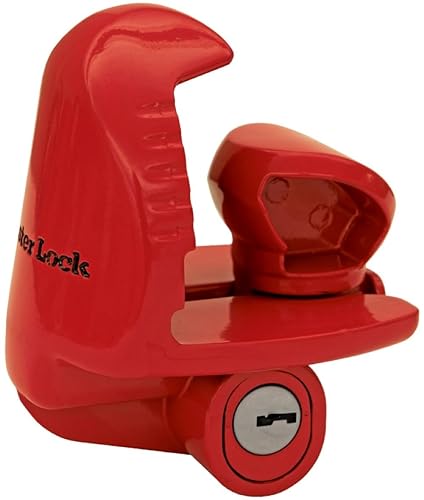
Coupler locks are a common choice for trailers that sit unattended. Look for one made for your coupler size and check that it covers the full ball. Hardened-steel padlocks are useful for hitch pin locks or as a secondary measure. A wheel lock adds another layer of deterrence by making the trailer harder to tow even if the coupler is compromised. Each item should be matched to your specific hitch and trailer.
- A coupler lock designed to cover the ball: View on Amazon
- A hardened-steel padlock for hitch pin use: View on Amazon
- A wheel lock for extra deterrence: View on Amazon
Related Reading
If you are also upgrading your hitch setup, it helps to understand the rest of the connection. You can compare options in our guide to the best trailer hitch pins and learn about trailer hitch receiver options before you buy. For tow-vehicle stability, the article on weight distribution hitch setup explains how the load is balanced, which affects how the coupler and lock experience stress on the road. Checking your trailer tires with a tire pressure monitoring system is another useful habit before every trip.
Best Weight Distribution Hitch Travel Trailer: How to Choose and Set Up 2026 and 7 Best Trailer Hitch Pins: Top Picks Compared for Safe Towing (2026) both cover pieces of the connection that work alongside your lock.
FAQ
Is a padlock enough to protect a trailer hitch?
A padlock adds a meaningful barrier against casual theft, but it is not a complete solution. Combine it with a wheel lock, parking in well-lit areas, and a tracking device for stronger protection.
Can I use any padlock on my trailer coupler?
Not always. The shackle must fit through the coupler lock hole or hitch pin opening. Check the manufacturer’s specifications for maximum shackle diameter before buying.
Should I choose a keyed or combination padlock?
Keyed locks are often harder to pick, while combination locks mean you never lose a key. Choose based on how you manage keys and how exposed the trailer will be.
How often should I check the lock?
Check it every time you hitch up. Look for rust, confirm the shackle closes fully, and make sure the lock holds the coupler when you tug on it.
Does a coupler lock work with all hitches?
Coupler locks are designed for specific coupler sizes. Verify that the lock matches your coupler and ball size. If you are unsure, a trailer dealer or a qualified service technician can confirm the fit.
Conclusion
A padlock for trailer hitch is a low-cost deterrent that works best when it fits your coupler and is checked before each trip. Choose a hardened lock with the right shackle size, install it fully, and test it every time. Combined with other security measures, it makes your trailer a much less attractive target.