
As an Amazon Associate I earn from qualifying purchases.
Updated November 2026
A weight distribution hitch works by using spring bars to lever part of the trailer’s tongue weight off the rear of the tow vehicle and spread it across the front axle, the rear axle and the trailer axles. Once it is set up correctly, the rig rides more level, steering and braking feel more predictable, and the trailer is less likely to sway. This guide explains the mechanics, the setup steps and the checks you should make before you roll.
What a Weight Distribution Hitch Does
Every conventional trailer pushes down on the hitch ball with a force called tongue weight. Manufacturers generally recommend a tongue weight of roughly 10 to 15 percent of the loaded trailer weight, though you should confirm the exact range in your trailer and hitch manuals. On a standard ball mount, that downward load goes straight onto the rear suspension of the tow vehicle. The rear sags, the front end lifts, and the steering axle loses grip.
A weight distribution hitch, sometimes called a load equalizer, adds a set of steel spring bars that act like levers. They transfer part of that tongue weight forward to the tow vehicle’s front axle and back to the trailer’s axles. The result is a more even load across all axles, which is the core reason these systems exist.
The Main Components and Their Roles
Most systems use the same basic parts, though the exact design varies by brand:
- Head (shank) assembly: The part that inserts into the receiver and holds the ball.
- Spring bars: Tensioned steel bars that create the leverage. They attach to brackets on the trailer frame.
- Trunnion bar: The cross bar that spreads load across the hitch head and is often the attachment point for the spring bars.
- Brackets or chains: Mount the spring bars to the trailer frame and the sway control.
- Sway control (optional): Friction or cam-style devices that resist side-to-side motion. Many weight distribution kits include these as an add-on.
How the Load Gets Transferred
The mechanics come down to leverage and tension. When the spring bars are installed and tensioned, they push upward on the trailer frame brackets and downward on the hitch head. This creates a counter-force that lifts the front of the tow vehicle back toward level and presses the trailer’s axles down into the road more firmly.
Think of it as a seesaw. Without the bars, the tongue pushes down on the rear end of the truck or SUV. With the bars, part of that downward push is redirected forward and into the trailer, so the truck’s rear springs are no longer carrying the full tongue load. Spring bar tension is what determines how much weight moves, which is why setup matters so much.
Step-by-Step Setup
Step 1: Confirm Your Ratings
Check the tow vehicle’s maximum tow rating, its gross combined weight rating and its hitch receiver rating. Confirm the trailer’s gross trailer weight rating and its tongue weight. Weight distribution equipment must be rated for your combined loads. Your owner’s manual and the equipment label are the authoritative sources.
Step 2: Measure Unloaded Ride Height
Park on level ground with the trailer hitched but not yet connected to the spring bars. Measure the distance from the ground to the top of each wheel well on the tow vehicle, front and rear, and the height of the trailer coupler or frame. Record these numbers. You will use them to judge how far the rig has settled once loaded.
Step 3: Install the Head and Trunnion
Insert the shank into the receiver, secure it with the pin and clip, and install the ball at the correct height. Attach the trunnion bar and head assembly according to the kit instructions. Keep the ball height correct so the trailer sits level when loaded, usually within the range shown in your manufacturer’s chart.
Step 4: Attach the Spring Bars
Hook the spring bars onto the head brackets and the trailer frame brackets. Most kits specify a bar tension setting. Lighter tensioning transfers less weight; heavier tensioning transfers more. Start at the manufacturer’s recommended setting for your trailer’s tongue weight.
Step 5: Adjust Tension Until Level
Raise the bars to the correct tension and then measure the ride height again at the same four points. Your goal is for the tow vehicle to sit close to its unloaded height, with the front and rear roughly even, and for the trailer to sit level. Make small adjustments and measure after each one.
Step 6: Set Sway Control
If your kit includes sway control, install and adjust it per the instructions. It should resist movement without locking the coupler or making steering stiff.
Checklist Before Every Trip
- Confirm bar tension and that the spring bars sit fully in their brackets.
- Check that all hitch pins and clips are secure.
- Verify that the ball is correctly torqued and the coupler latched.
- Re-measure ride height after loading the trailer, since loads change.
- Check trailer lights and the breakaway cable connection.
- Confirm tire pressures on both the tow vehicle and trailer.
Common Mistakes
- Setting tension by feel. Always measure ride height. Guessing usually leads to an overloaded front axle or a rear that stays low.
- Skipping the post-load check. Trailer loads shift. Re-check after loading and again after the first stop.
- Using the wrong ball height. An incorrect ball height throws off the geometry of the spring bars.
- Exceeding ratings. A weight distribution system does not raise your tow vehicle’s rated capacity.
- Ignoring the trailer’s own weight distribution. Load placement still matters. Heavy items should sit over or just ahead of the axles, and you should review how you load and organize the cargo. For more on that, see Best Trailer Cargo & Storage: How to Choose and Organize Your Load.
Tips for Better Handling
- Use a tongue scale to confirm tongue weight before you set tension.
- Recheck bolt torque and spring bar seating after the first 25 to 50 miles, as recommended in many manufacturer guides.
- Read the sway control section before you hit highway speeds, since adjustments change how the rig feels.
- If you are choosing a new system, compare the options and their ratings first. A good starting point is 5 Best Weight Distribution Hitches: Picks Compared for Safer Towing.
Recommended gear
A tongue weight scale helps you confirm the number that drives bar tension. A reliable scale is the most useful single tool for setup: View on Amazon.
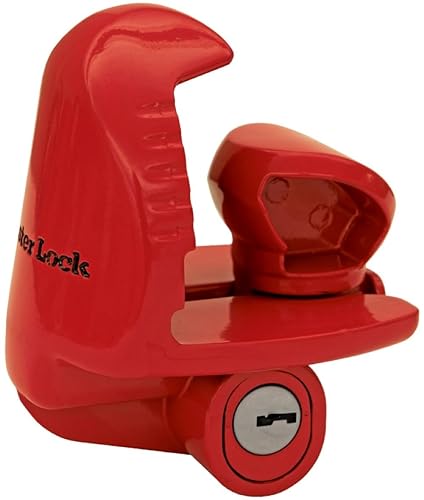
A hitch receiver tube lock and a sway control kit are also worth considering if your system does not include one. Look for a kit with a clear tension chart and a matching ball mount rating: View on Amazon.
FAQ
Does a weight distribution hitch increase my towing capacity?
No. It improves how weight is distributed, but your tow vehicle’s rated towing and payload limits remain the same. Always stay within the ratings in your owner’s manual.
How do I know if the spring bar tension is right?
Measure ride height on all four corners unloaded and then loaded. The tow vehicle should return close to its unloaded height, and the trailer should sit level. The manufacturer’s tension chart gives the starting point.
Do I need sway control with a weight distribution hitch?
Not always, but many owners use it because it adds resistance to side-to-side motion. Check the instructions for your trailer and tow vehicle to see what is recommended.
Can I use a weight distribution hitch on any trailer?
Most conventional trailers with a coupler can use one, but the system must be rated for your trailer’s weight and tongue weight. Consult the trailer and hitch manufacturers if you are unsure.
How often should I check the spring bars?
Check them before each trip, and inspect the brackets, bolts and welds periodically. Look for cracks, rust, or loose fasteners.
What tools do I need for installation?
Most setups need a tape measure, a socket set, a torque wrench, a level surface and, ideally, a tongue scale. Follow the kit’s instructions for any specialty tools.
Should a professional install my system?
If you are unsure about ratings, welding, or frame attachment points, consult a professional trailer or hitch installer. Improper installation can affect safety.
Conclusion
A weight distribution hitch works by using tensioned spring bars to move part of the tongue weight off the tow vehicle’s rear axle and onto the front axle and trailer axles. Correct setup depends on matching ratings, measuring ride height, and adjusting bar tension until the rig sits level. Make the pre-trip checks part of every tow, and the system will do its job.
Ready to choose one?